Water Use
Different foods require different amounts of water to produce. Understanding this helps inform choices aligned with local water availability.
Understanding the environmental impact of food choices empowers you to eat in ways that feel authentic to you. Learn about seasonal eating, local sourcing, and sustainable practices.
Different foods require different amounts of water to produce. Understanding this helps inform choices aligned with local water availability.
Local and seasonal food typically has a lower transport footprint. We explore what's available near you and when.
Agricultural practices vary widely. Learning about farming methods helps you understand food production systems.
Food packaging has environmental costs. We discuss practical approaches to reducing packaging waste in your shopping.
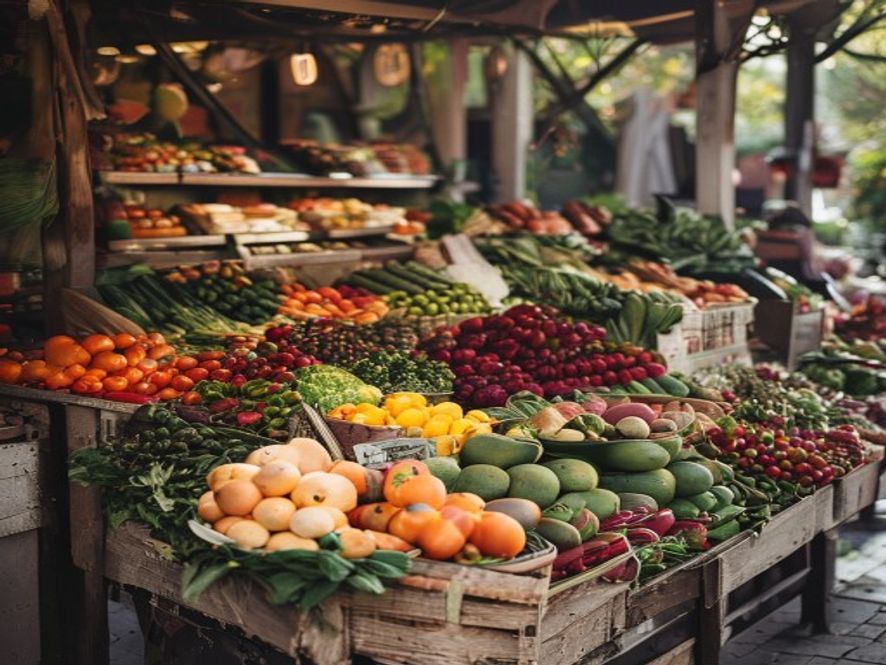
Seasonal eating isn't just about environmental impact—it connects you to local food systems and natural cycles. When you eat what's in season, food is often fresher, more affordable, and more flavourful.
Small changes that align with your values.
You don't need to eliminate any food. Simply increasing the proportion of plant foods in meals naturally reduces overall environmental impact whilst maintaining balanced nutrition.
Less processing means less energy use and packaging. Whole foods are often more affordable and more nutritious anyway.
Farmers markets and local shops often have seasonal, locally-grown options. This supports local growers and reduces transportation.
Plan meals to use what you buy. Food waste is environmental waste. Imperfect produce is perfectly nutritious.
Eating a diverse diet naturally reduces reliance on just a few crops and supports agricultural diversity.
Learn where your food comes from and how it's produced. Knowledge helps you make choices that feel authentic.
What matters most to you? Local sourcing? Reduced packaging? Plant-based options? Your priorities guide your choices.
One farmer's market visit, one seasonal meal, one waste-reduction habit. Small changes compound over time.
Perfectionism isn't the goal. Progress is. Every conscious choice counts and adds up to meaningful impact.
Our Sustainability Focus programme dives deeper into environmental impact and practical changes.
Learn More