Weekly Planning
Plan three to five dinners, let breakfast and lunch rotate simply. This reduces planning time while ensuring variety and balance throughout the week.
Meal planning removes decision fatigue and ensures balanced nutrition throughout the week. Learn practical strategies that work with your lifestyle.
Plan three to five dinners, let breakfast and lunch rotate simply. This reduces planning time while ensuring variety and balance throughout the week.
Start with what's in season or on sale, then build meals around those ingredients. This approach supports budget and reduces waste.
Prepare components (grains, proteins, vegetables) separately, then mix and match throughout the week. Maximum flexibility, minimal effort.
Assign themes to certain nights (e.g., Wednesday pasta, Friday fish). Structure reduces decision-making while maintaining enjoyment.
Cook once, eat multiple times. Batch-cooked meals provide convenience whilst maintaining nutritional control and flavour.
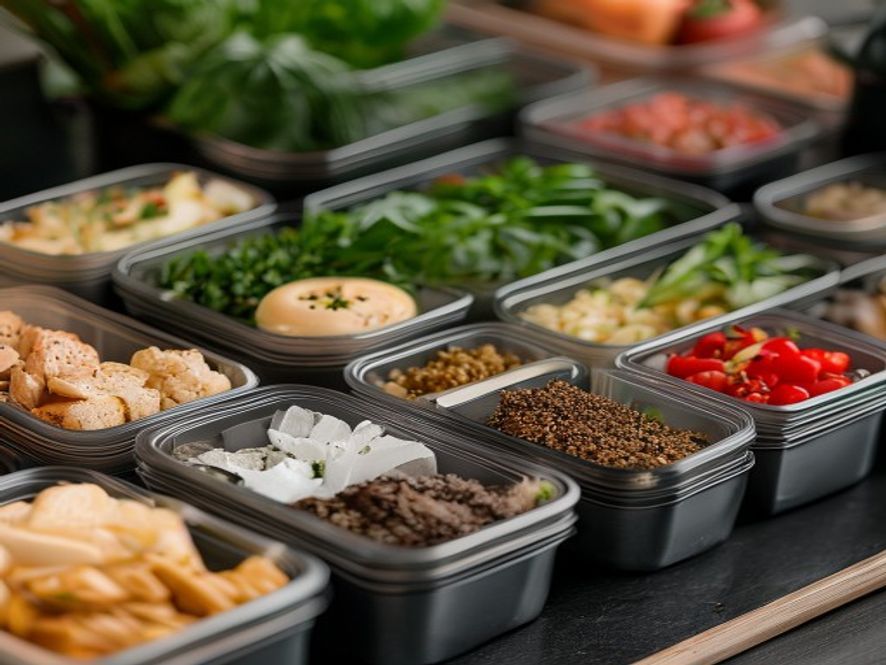
An effective shopping list starts with your planned meals and works backwards to ingredients. This saves time, reduces waste, and helps you stay within budget.
| Challenge | Why It Happens | Practical Solution |
|---|---|---|
| Decision Fatigue | Too many options makes planning difficult | Start with a simple rotation of 5-7 favourite meals. Repeat with variations. |
| Food Waste | Planning doesn't match actual eating | Start with just 3 dinners planned. Build gradually as you learn your rhythms. |
| Budget Concerns | Uncertainty about cost management | Plan around sales and seasonal items. Bulk dried goods and frozen vegetables are affordable. |
| Time Pressure | Thinking meals need to be complicated | Simple combinations (grain + protein + vegetable + sauce) are perfectly balanced and quick. |
| Flexibility Issues | Rigid plans don't adapt to real life | Plan main components, not exact meals. Let dinners change based on the week. |
What do you enjoy eating? What takes too long? What's realistic for your life? Honest answers guide sustainable planning.
Weekly planning, ingredient-based, or component cooking? Pick what resonates with your lifestyle and start simple.
Write down your meals, create a shopping list, buy groceries. Notice how planning changes your week.
After a week or two, you'll learn what works and what doesn't. Adjust your approach based on real experience.
Our one-to-one Meal Planning Consultation helps you design a system that works for you.
Schedule Consultation